As a city we are facing a fairly challenging period. The economic, social and health impact of inflation cannot be overstated. One of the most acutely felt area of impact from inflation are the main streets that inhabit Dublin . The revitalisation of Meath Street and its surrounding areas, such as the already completed Francis Street and the changing landscape of Thomas Street, involves a delicate balance between preserving historical charm and embracing modern development. This task requires a multi-faceted approach that takes into consideration the cultural heritage, economic sustainability, community involvement, and contemporary trends in urban redevelopment. In short we need to deliver enhanced public spaces and exciting new uses for underused high street buildings working with Dublin diverse communities.
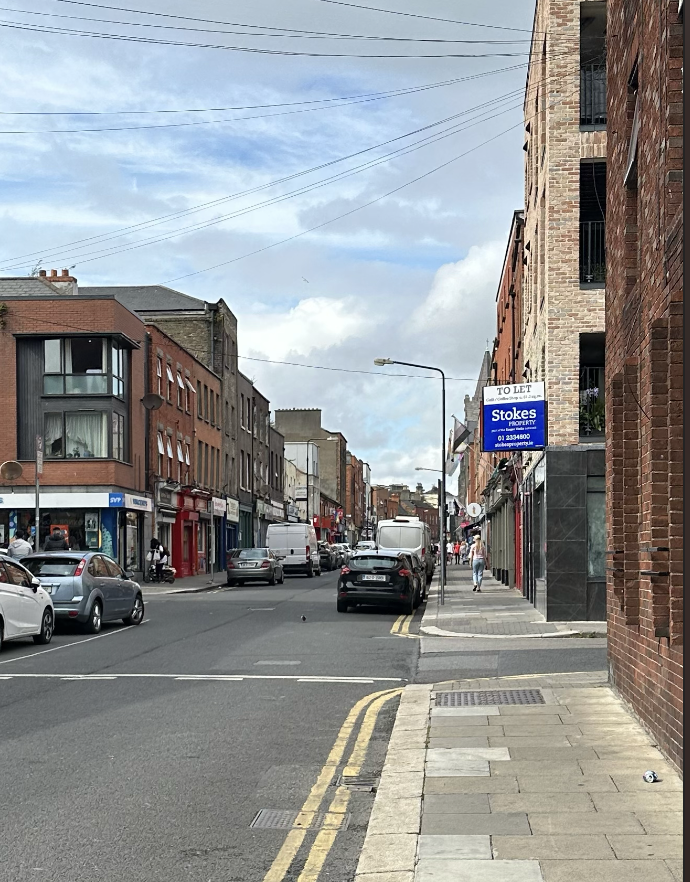
Here are my thoughts on how we can deal with these issue in a pragmatic and scalable way:
Goal:
Increasing the capacity of Dublin city council and town centre partnerships to work with community groups and the private sector to plan for, safeguard and directly deliver a diverse, resilient and thriving mix of High street and town centre activity within easy reach of all Dubliners and at all times of day and night.

1. Preserve Historical Identity and Cultural Heritage
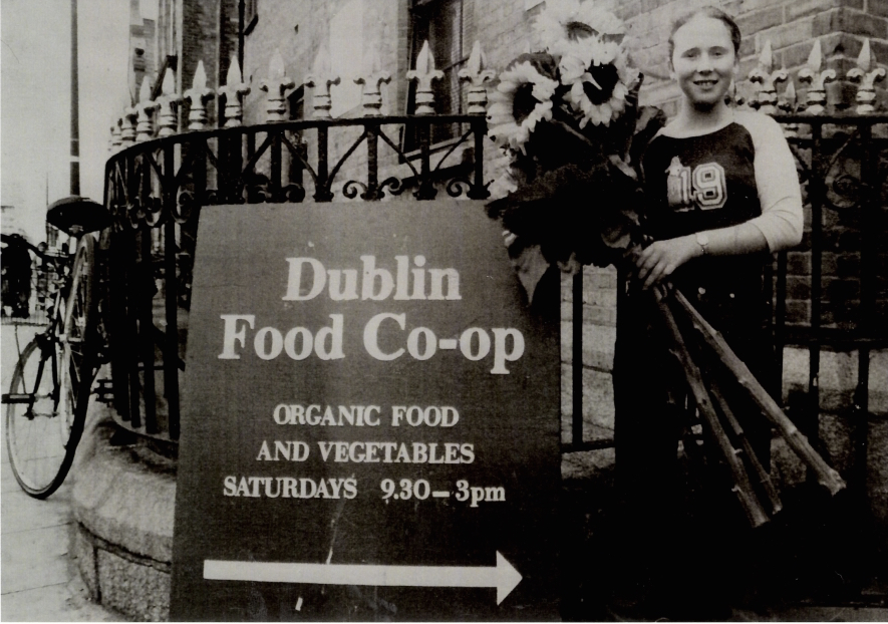
Meath Street and its vicinity are rich in history, with a legacy of trade and commerce that dates back centuries. It is essential to recognize this historical significance by preserving iconic buildings and structures that reflect the area’s architectural and cultural heritage. Renovating and repurposing these buildings can maintain their original charm while allowing them to meet modern standards. The Iveagh Markets could be Dublin’s very own English market in Cork and could bring back more commerce to the area from vendors that would of previously traded in the much loved food Co-op in Newmarket as an example.
Cultural Heritage Projects:
Implementing cultural heritage projects that celebrate the history of Meath Street can play a crucial role in keeping its essence alive. For instance, establishing museums, heritage trails such as the one done by in our shoes in the liberties ( https://inourshoeswalkingtours.ie) , or interactive installations that can educate visitors and residents about the area’s past. Such initiatives not only preserve history but also attract tourists, boosting footfall and business for local establishments by recognising the unique position Dublin 8 has as a place for local residents and visitors alike.
Enhance Public Spaces
Pedestrian-Friendly Streets:
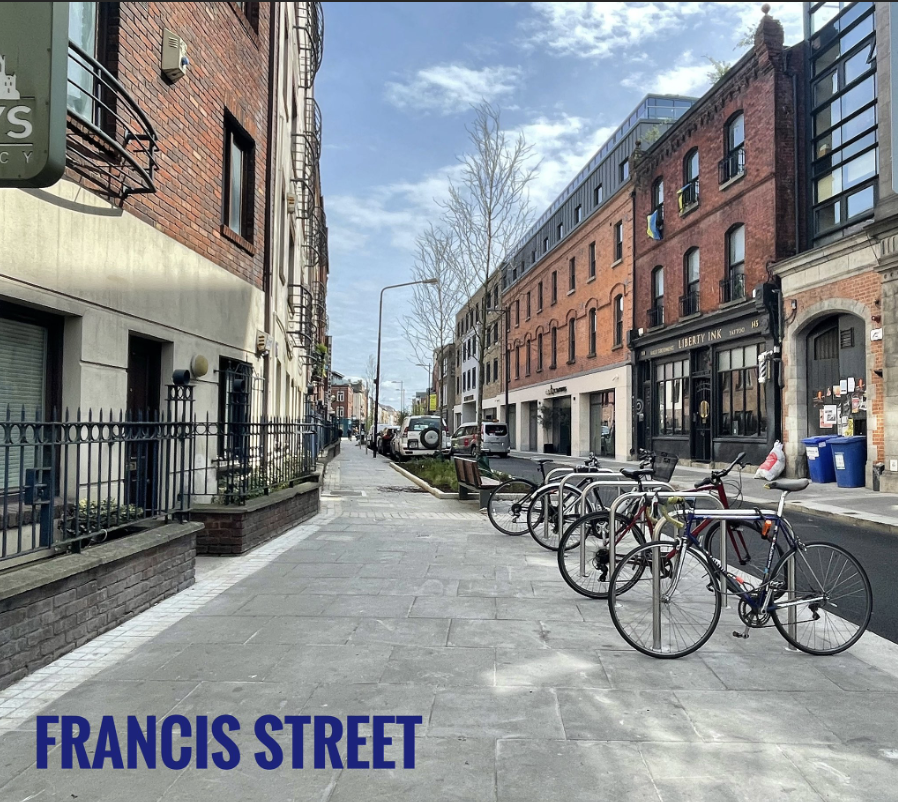
Transforming Meath Street into a pedestrian-friendly zone can significantly enhance its appeal. Wider sidewalks, pedestrian crossings, and traffic calming measures can create a more welcoming environment for shoppers and visitors. Adding greenery, street furniture, and art installations can further beautify the area, making it more attractive for people to spend time. Francis street has done this well, but is absent a cycle lane and there are frequent complaints about people going down at speed on the pavement. This needs to be looked into in relation to how best to handle this type of transportation.
Public Squares and Community Spaces:
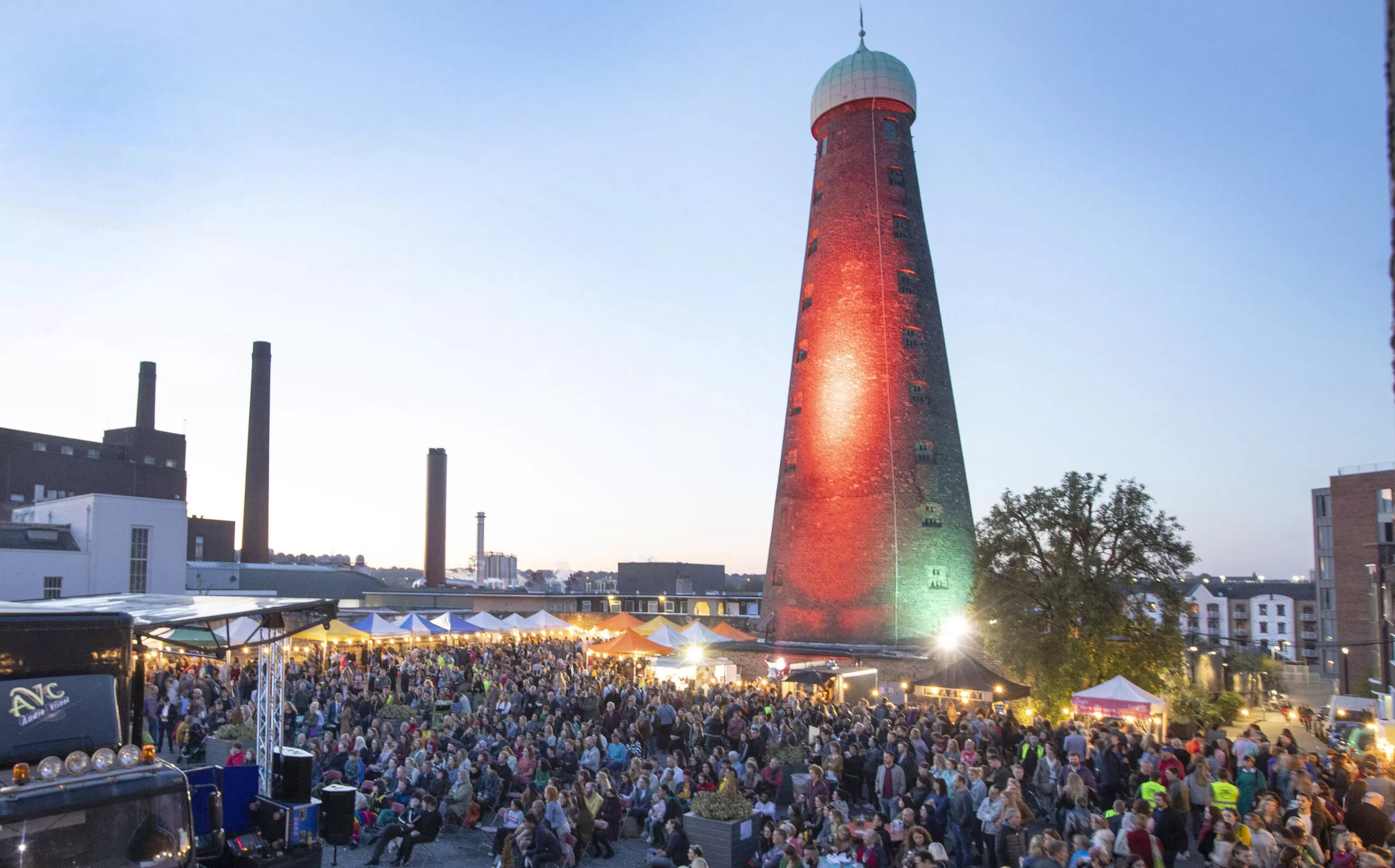
There have been some open discussions about cultural space in Dublin 8, or the need to remedy the lack thereof, which in turn deprives the area of opportunity to see, hear and take in performances, all the while impacting the night time economy and the social fabric of certain areas. The redevelopment of Meath street presents a real opportunity to develop a public square and community spaces can serve as focal points for social gatherings, events etc. These spaces can host weekly art exhibitions, and cultural festivals that celebrate local traditions and attract diverse crowds. Community spaces which are sorely needed and heading in the wrong direction with the spate of closures over recent years it means we are lacking in places for residents to relax, interact and foster a sense of belonging.
3. Promote Local Businesses and Markets
Support for Local Traders:
Supporting local traders and businesses is vital for maintaining the area’s commercial vibrancy. Initiatives such as reduced rent for local startups, grants for small businesses, and mentorship programs can encourage entrepreneurship. Promoting a mix of traditional shops, modern boutiques, artisanal markets blended in with professional services and tech companies can really bolster footfall of people coming in and out of the area. At the time of writing this currently Francis street has a near 0% vacancy rate on commercial properties since the redevelopment. Meath and Thomas street are presently challenging with much higher vacancy rates.
Encourage Pop-up Shops and Events:
Pop-up shops and events can add dynamism to the area, attracting new visitors and creating excitement. Collaborating with local artisans, food vendors, and performers to host themed events can bring novelty and entertainment to the streets. These events can also provide opportunities for businesses to showcase their products and services to a wider audience.
Integrate Technology and Innovation
Smart City Solutions:
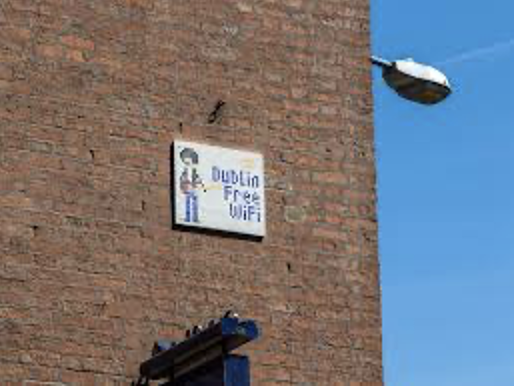
Integrating smart city solutions can modernize Meath Street while enhancing visitor experience. Installing digital kiosks, free Wi-Fi zones, and mobile apps with information about local businesses and events can engage tech-savvy visitors. Smart lighting and surveillance systems can improve safety, encouraging more people to explore the area, especially during evenings.
Sustainable Development:
Prioritizing sustainable development is crucial for future-proofing the area. Encouraging eco-friendly practices such as recycling, green energy usage, and sustainable architecture can appeal to environmentally conscious visitors. Implementing green infrastructure, like rain gardens and solar panels, can demonstrate a commitment to sustainability while reducing environmental impact.
5. Strengthen Community Engagement
Community Involvement in Planning:
Engaging the local community in redevelopment plans ensures that their voices are heard and their needs are met. Establishing forums and workshops where residents, business owners, and stakeholders can share their insights and suggestions can foster collaboration and trust. Community involvement also ensures that redevelopment aligns with the aspirations of those who call the area home.
Support Local Arts and Culture:
Promoting local arts and culture can enrich the community’s identity and attract creative individuals. Supporting local artists through exhibitions, public art projects, and cultural programs can celebrate the area’s uniqueness. Collaborations with local schools and organizations can provide opportunities for cultural exchange and artistic expression. I have advocated for a root and branch assessment of art facilities and would work with all stakeholders for a period of implementation. The aim of which would be to create sustainable spaces for artists to work, contribute and showcase their work whilst giving accessibility to everyone under a 3x 10x framework. What this means is creating a space that gives equal opportunity to everyone – be they professional artists or amateur spanning across Dublin 8. The 3x 10x framework stands for 3 times the input for 10 times the positive social impact.
6. Address the Changing Landscape of Thomas Street
Integration with Surrounding Areas:
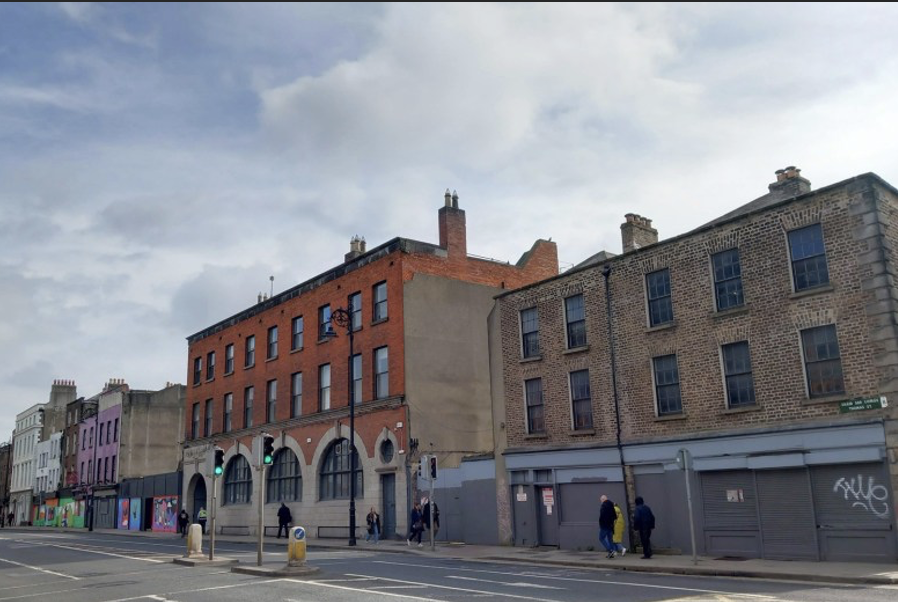
Thomas Street is one of only four streets in Dublin where street trading is permitted , however the makeup of the street is changing and has evolved over time from trade to tech and it will evolve again when the digital hub winds down it appears that only some of the buildings can be used for large scale housing supply, so what to do with the others? Maybe a secondary school? Possibly a library? Adult education or social enterprise. Coordinating development efforts across Meath Street, Thomas Street, and Francis Street can create a cohesive urban environment. Ensuring that infrastructure and services improvements, such as transportation and connectivity, are aligned across these areas can facilitate smoother movement and opportunities to enhance individuals should be considered.
Preservation of Unique Characteristics:
Each street has its distinct characteristics, and preserving these differences is essential for maintaining the area’s diverse appeal. While Thomas Street might have started to embrace some more modern development, efforts should be made to retain its unique architectural features and local charm. This balance between old and new can attract a wide range of visitors and businesses.
7.Collaborative Governance and Investment
Public-Private Partnerships:
Forming public-private partnerships can pool resources and expertise for successful redevelopment. Collaborating with private investors, developers, and local authorities can leverage funding and innovation. Transparent governance structures and clear communication channels can ensure that redevelopment is conducted efficiently and responsibly.
Long-term Investment in Infrastructure:
Investing in long-term infrastructure improvements, such as transportation, utilities, and digital connectivity, is essential for sustained growth. Ensuring that these investments align with the area’s historical preservation goals and community needs can create a resilient urban environment that attracts businesses and residents.
Revitalizing Meath Street while preserving its essence and accommodating modern needs is a complex but achievable goal. By embracing a holistic approach that prioritizes historical preservation, community engagement, and sustainable development, Meath Street can emerge as a vibrant hub of commerce and culture. By integrating innovative solutions and fostering collaboration among stakeholders, the area can attract visitors and businesses, ensuring a prosperous future while honouring its rich heritage.